BudismoBuddhism
Un camino hacia la claridadA path toward clarity
El budismo no es una religion en el sentido convencional. Es una practica de observacion, una invitacion a examinar la mente y la realidad sin dogmas que debas aceptar a ciegas. Buddhism is not a religion in the conventional sense. It is a practice of observation, an invitation to examine mind and reality without dogmas to blindly accept.
ComenzarBeginQue es el budismo?What is Buddhism?
Hace aproximadamente 2.500 anos, un principe llamado Siddhartha Gautama abandono su vida de privilegios. No buscaba poder ni fama: queria entender por que sufrimos.Approximately 2,500 years ago, a prince named Siddhartha Gautama abandoned his life of privilege. He sought neither power nor fame: he wanted to understand why we suffer.
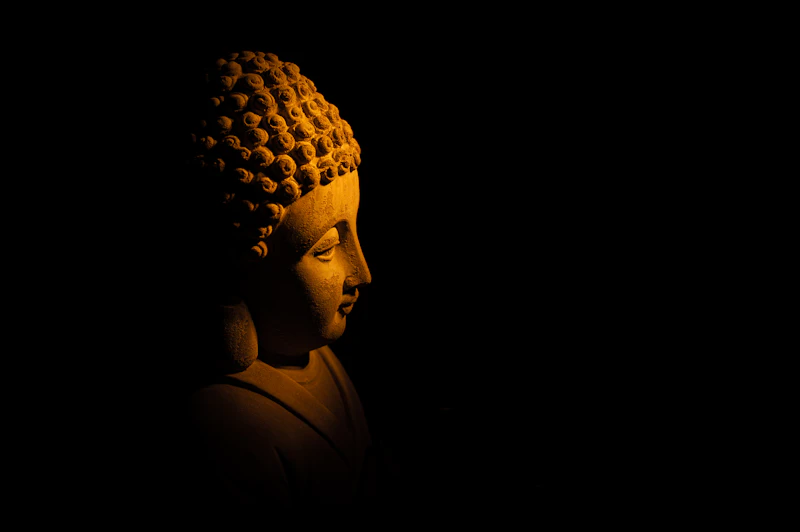
Estatua de Buda en meditacion. Fuente: Unsplash (libre de derechos)Buddha statue in meditation. Source: Unsplash (royalty-free)
Tras anos de busqueda y meditacion, encontro una respuesta. No una explicacion teorica, sino un camino practico. A partir de ese momento se le conocio como el Buda: "el despierto".After years of seeking and meditation, he found an answer. Not a theoretical explanation, but a practical path. From that moment he was known as the Buddha: "the awakened one."
Lo fundamental: no pidio a nadie que creyera en el. Solo propuso un metodo para investigar por uno mismo.The fundamental thing: he asked no one to believe in him. He only proposed a method to investigate for oneself.
Vida de Siddhartha GautamaLife of Siddhartha Gautama
Nacio en Lumbini, actual Nepal, hacia el 563 a.C. Hijo de un rey, crecio protegido de la enfermedad, la vejez y la muerte.Born in Lumbini, present-day Nepal, around 563 BCE. Son of a king, he grew up protected from illness, aging, and death.
A los 29 anos descubrio la realidad del sufrimiento. Dejo el palacio, su familia y su vida comoda para buscar una solucion.At 29, he discovered the reality of suffering. He left the palace, his family, and his comfortable life to seek a solution.
"He aqui, he nacido en el mundo para el bien de muchos, para la felicidad de muchos, por compasion hacia el mundo." "Behold, I have been born into the world for the welfare of many, for the happiness of many, out of compassion for the world." Ariyapariyesana Sutta, Majjhima Nikaya 26
Practico durante seis anos, incluyendo austeridades extremas. Finalmente encontro el equilibrio: ni lujo ni mortificacion, sino el camino medio.He practiced for six years, including extreme austerities. He finally found balance: neither luxury nor self-mortification, but the middle way.
Bajo el arbol Bodhi en Bodh Gaya, India, alcanzo la iluminacion. Paso los siguientes 45 anos ensenando lo que habia descubierto.Beneath the Bodhi tree in Bodh Gaya, India, he attained enlightenment. He spent the next 45 years teaching what he had discovered.
Murio a los 80 anos en Kushinagar. Sus ultimas palabras, segun el canon: "Sean su propia lampara. Sean su propio refugio."He died at 80 in Kushinagar. His last words, according to the canon: "Be your own lamp. Be your own refuge."
Las Cuatro Nobles VerdadesThe Four Noble Truths
No son dogmas. Son observaciones sobre la condicion humana, verificables por cualquiera que mire con atencion.They are not dogmas. They are observations on the human condition, verifiable by anyone who looks carefully.
1. Dukkha1. Dukkha
La insatisfaccion existe. Nada de lo condicionado proporciona satisfaccion permanente. No es pesimismo: es constatacion.Dissatisfaction exists. Nothing conditioned provides permanent satisfaction. This is not pessimism: it is observation.
2. Samudaya2. Samudaya
El sufrimiento tiene una causa: el apego y la aversion. Resistir lo que es, o aferrarse a lo que cambia, genera conflicto.Suffering has a cause: attachment and aversion. Resisting what is, or clinging to what changes, generates conflict.
3. Nirodha3. Nirodha
Es posible cesar el sufrimiento. El nirvana no es un lugar: es el cese de la resistencia, la paz que surge de la comprension.It is possible to cease suffering. Nirvana is not a place: it is the cessation of resistance, peace arising from understanding.
4. Magga4. Magga
Existe un camino: el Noble Octuple Sendero. No es una creencia, es una practica verificable directamente en la experiencia.There is a path: the Noble Eightfold Path. Not a belief, but a practice directly verifiable in experience.
"Esta es la noble verdad del sufrimiento: el nacimiento es sufrimiento, la vejez es sufrimiento, la enfermedad es sufrimiento, la muerte es sufrimiento." "This is the noble truth of suffering: birth is suffering, aging is suffering, illness is suffering, death is suffering." Dhammacakkappavattana Sutta, Samyutta Nikaya 56.11
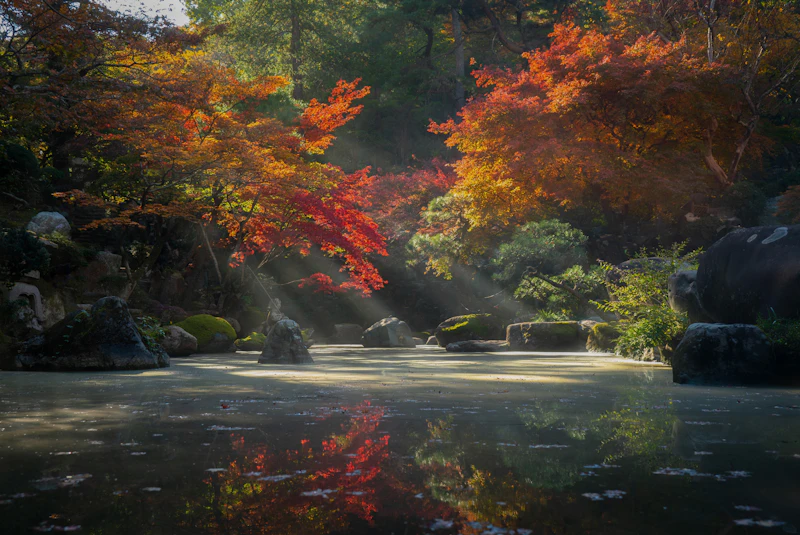
Jardin japones. Fuente: Unsplash (libre de derechos)Japanese garden. Source: Unsplash (royalty-free)
El Noble Octuple SenderoThe Noble Eightfold Path
Ocho factores que se desarrollan simultaneamente, no en secuencia. Son tres entrenamientos entrelazados.Eight factors developed simultaneously, not in sequence. They are three intertwined trainings.
Sabiduria (Panna)Wisdom (Panna)
- Vision correcta:Right view: Comprender las Cuatro Nobles Verdades, ver la impermanencia y la naturaleza condicionada de todo.Understand the Four Noble Truths, see impermanence and the conditioned nature of everything.
- Intencion correcta:Right intention: Cultivar renuncia, buena voluntad y no-danar. La motivacion importa tanto como la accion.Cultivate renunciation, goodwill, and non-harming. Motivation matters as much as action.
Conducta etica (Sila)Ethical conduct (Sila)
- Habla correcta:Right speech: Verdad, amabilidad, utilidad. Abstenerse de mentiras, división, palabras duras y charla vacia.Truthfulness, kindness, usefulness. Abstain from lies, division, harsh words, and idle chatter.
- Accion correcta:Right action: No matar, no robar, no abusar sexualmente. Respetar la vida ajena.Not killing, not stealing, not sexual misconduct. Respect the lives of others.
- Modo de vida correcto:Right livelihood: Ganarse la vida sin causar dano. No comercio con armas, seres vivos, carne, alcohol ni venenos.Earn a living without causing harm. No trade in weapons, living beings, meat, alcohol, or poisons.
Disciplina mental (Samadhi)Mental discipline (Samadhi)
- Esfuerzo correcto:Right effort: Prevenir estados mentales nocivos, abandonar los existentes, cultivar los beneficiosos, mantenerlos.Prevent harmful mental states, abandon existing ones, cultivate wholesome ones, maintain them.
- Atencion correcta:Right mindfulness: Observar cuerpo, sensaciones, mente y fenomenos sin juzgar. Estar presente, aqui y ahora.Observe body, sensations, mind, and phenomena without judgment. Be present, here and now.
- Concentracion correcta:Right concentration: Enfoque estable y unificado. Los cinco obstaculos se calman. La mente se aquieta.Stable, unified focus. The five hindrances calm. The mind settles.
"Evita hacer el mal, cultiva el bien, purifica tu mente: esta es la ensenanza de los Budas." "Avoid evil, cultivate good, purify your mind: this is the teaching of the Buddhas." Dhammapada 183
Karma y RenacimientoKarma and Rebirth
Karma significa simplemente "accion". No es un sistema de castigo ni un destino escrito. Es la ley natural de causa y efecto aplicada a la intencion y la conducta.Karma simply means "action." It is not a system of punishment or written fate. It is the natural law of cause and effect applied to intention and conduct.
Cada accion voluntaria deja una huella mental. El odio genera sufrimiento; la compasion genera paz. No necesitas creer en nada sobrenatural para ver esto en tu propia experiencia.Every voluntary action leaves a mental imprint. Hatred generates suffering; compassion generates peace. You need not believe in anything supernatural to see this in your own experience.

Equilibrio. Fuente: Unsplash (libre de derechos)Balance. Source: Unsplash (royalty-free)
Sobre el renacimiento: el budismo niega la existencia de un "yo" permanente que transmigra. Entonces que renace?About rebirth: Buddhism denies the existence of a permanent "self" that transmigrates. Then what is reborn?
Una analogia: la llama de una vela enciende otra. No es la misma llama, ni es distinta. Es una continuidad de procesos condicionados.An analogy: the flame of one candle lights another. It is not the same flame, nor is it different. It is a continuity of conditioned processes.
El Buda no afirmo ni nego el renacimiento de forma categorica. Lo que importa es que este momento, aqui y ahora, se puede liberar del sufrimiento.The Buddha neither affirmed nor denied rebirth categorically. What matters is that this moment, here and now, one can be freed from suffering.
"No hay un hacedor del karma, ni hay uno que experimente el resultado. Karma y resultado son processos vacios. Entender esto es entrar en el camino." "There is no doer of karma, nor one who experiences the result. Karma and result are empty processes. Understanding this is entering the path." Visuddhimagga XIX
MeditacionMeditation
No se trata de "vaciar la mente" ni de escapar de la realidad. Es entrenar la atencion para ver las cosas como son.It is not about "emptying the mind" or escaping reality. It is training attention to see things as they are.

Claridad. Fuente: Unsplash (libre de derechos)Clarity. Source: Unsplash (royalty-free)
Satipatthana: Los Cuatro Fundamentos de la AtencionSatipatthana: The Four Foundations of Mindfulness
- Cuerpo (kayanupassana):Body (kayanupassana): Respiracion, posturas, movimientos. La atencion se ancla en la experiencia fisica presente.Breath, postures, movements. Attention anchors in the present physical experience.
- Sensaciones (vedananupassana):Feelings (vedananupassana): Placenteras, dolorosas o neutras. Se observan sin reaccionar, sin aferrarse ni rechazar.Pleasant, painful, or neutral. Observed without reacting, without clinging or rejecting.
- Mente (cittanupassana):Mind (cittanupassana): Estados mentales: atenta, dispersa, alegre, contracta. Solo reconocer, sin juzgar.Mental states: attentive, distracted, joyful, contracted. Just recognize, without judging.
- Fenomenos (dhammanupassana):Phenomena (dhammanupassana): Los obstaculos, los factores del despertar, las verdades. Ver la impermanencia en todo.Hindrances, factors of awakening, truths. See impermanence in everything.
Como practicarHow to practice
Diez minutos al dia para empezar. Sentarse comodo, espalda recta. Observar la respiracion natural. Cuando la mente se distraiga —y se distraera—, notarlo sin criticarse y volver.Ten minutes a day to start. Sit comfortably, back straight. Observe the natural breath. When the mind wanders —and it will—, notice without criticizing yourself and return.
El ejercicio no es mantener la mente fija. El ejercicio es darse cuenta de que se ha ido, y regresar. Ese retorno es la practica.The exercise is not keeping the mind fixed. The exercise is realizing it has wandered, and returning. That return is the practice.
"No creas en algo solo porque lo has oido. No creas en tradiciones solo porque las han transmitido muchas generaciones. No creas nada por la autoridad de maestros. Mas bien, observa usted mismo lo que es sano y beneficioso, y una vez que lo hayas investigado completamente, siguelo." "Do not believe in something merely because you have heard it. Do not believe in traditions merely because they have been handed down for many generations. Do not believe anything by the authority of teachers. Rather, observe for yourself what is wholesome and beneficial, and once you have fully investigated it, follow it." Kalama Sutta, Anguttara Nikaya 3.65
Las Preguntas Sin RespuestaThe Unanswered Questions
En varias ocasiones, el Buda se nego a responder preguntas metafisicas. No por ignorancia, sino porque consideraba que no conducian a la liberacion del sufrimiento.On several occasions, the Buddha refused to answer metaphysical questions. Not out of ignorance, but because he considered they did not lead to liberation from suffering.
Un monje llamado Malunkyaputta le exigio respuestas o amenazaba con abandonar la practica. El Buda respondio con una parabola:A monk named Malunkyaputta demanded answers or threatened to abandon practice. The Buddha responded with a parable:
"Si un hombre herido de una flecha envenenada se negara a ser tratado hasta saber quien disparo, de que casta era, que arco uso... moriria antes de obtener respuestas. Del mismo modo, no respondo estas preguntas porque no son utiles para el santo vida, no conducen al desencanto, a la calma, al conocimiento, a la iluminacion, al nirvana." "If a man wounded by a poisoned arrow refused to be treated until he knew who shot it, what caste they were, what bow they used... he would die before getting answers. Likewise, I do not answer these questions because they are not useful for the holy life, they do not lead to disenchantment, calm, knowledge, enlightenment, nirvana." Cula-Malunkyovada Sutta, Majjhima Nikaya 63
Las cuestiones que el Buda dejo de lado:The questions the Buddha set aside:
- El mundo es eterno o no es eterno?Is the world eternal or not eternal?
- El mundo es finito o infinito?Is the world finite or infinite?
- El alma (jiva) y el cuerpo (sarira) son identicos o distintos?Are the soul (jiva) and the body (sarira) identical or distinct?
- Un Tathagata (Buda realizador) existe despues de la muerte, no existe, ambas cosas, o ninguna?Does a Tathagata (realized Buddha) exist after death, not exist, both, or neither?
El mensaje: no pierdas el tiempo en especulaciones. Lo urgente es el sufrimiento presente, y su cese.The message: do not waste time on speculations. What is urgent is present suffering, and its cessation.
"Yo enseno una sola cosa: el sufrimiento y el fin del sufrimiento." "I teach one thing: suffering and the end of suffering." Alagaddupama Sutta, Majjhima Nikaya 22
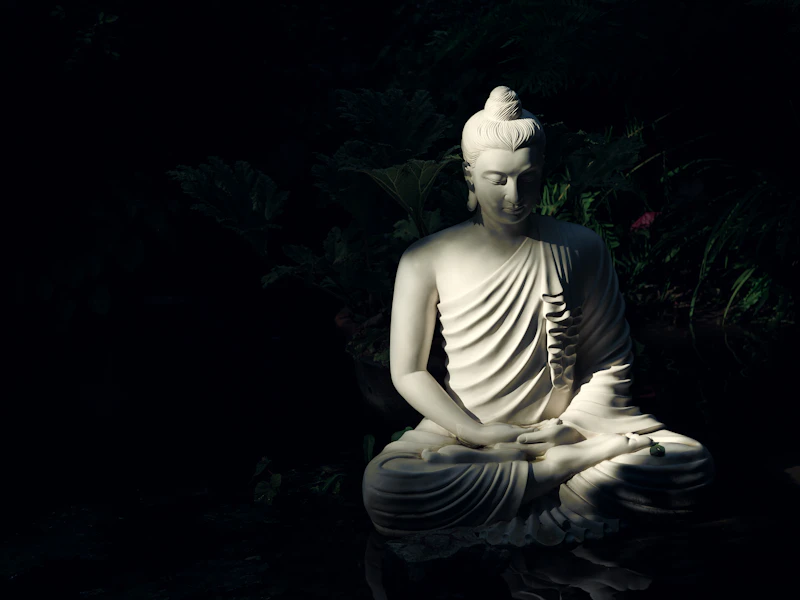
Reflejo. Fuente: Unsplash (libre de derechos)Reflection. Source: Unsplash (royalty-free)
Escuelas del BudismoSchools of Buddhism
A lo largo de 2.500 anos, el budismo se diversifico en multiples tradiciones. No son ramas en conflicto: son adaptaciones del mismo metodo a diferentes culturas y temperamentos.Over 2,500 years, Buddhism diversified into multiple traditions. They are not branches in conflict: they are adaptations of the same method to different cultures and temperaments.
Theravada
La "doctrina de los ancianos". Basada en el Canon Pali, el conjunto mas antiguo de textos conservados. El ideal es el arahant: alguien que alcanza la iluminacion mediante el propio esfuerzo. Predomina en Sri Lanka, Tailandia, Birmania, Laos y Camboya.The "doctrine of the elders." Based on the Pali Canon, the oldest preserved collection of texts. The ideal is the arahant: one who attains enlightenment through one's own effort. Predominant in Sri Lanka, Thailand, Burma, Laos, and Cambodia.
Mahayana
El "gran vehiculo". Surgio hacia el siglo I d.C. El ideal es el bodhisattva: alguien pospone su propia liberacion para ayudar a todos los seres. Incluye el Zen (meditacion sentada), las escuelas de Tierra Pura, y el budismo tibetano no-tantrico. Predomina en China, Japon, Corea y Vietnam.The "great vehicle." Emerged around the 1st century CE. The ideal is the bodhisattva: one who postpones their own liberation to help all beings. Includes Zen (seated meditation), Pure Land schools, and non-tantric Tibetan Buddhism. Predominant in China, Japan, Korea, and Vietnam.
Vajrayana
El "vehiculo del diamante". Forma de practica esoterica que desarrollo metodos tantricos visuales, mantras y mudras. Requiere instruccion directa de un maestro cualificado (guru). Se practica principalmente en el Tibet, Bhutan y Mongolia.The "diamond vehicle." A form of esoteric practice that developed visual tantric methods, mantras, and mudras. Requires direct instruction from a qualified teacher (guru). Practiced mainly in Tibet, Bhutan, and Mongolia.
Ninguna escuela es "la correcta". Todas parten del mismo nucleo: las Cuatro Nobles Verdades y el Noble Octuple Sendero.No school is "the right one." All depart from the same core: the Four Noble Truths and the Noble Eightfold Path.
Palabras del DhammapadaWords from the Dhammapada
El Dhammapada es una coleccion de versos atribuidos al Buda, perteneciente al Canon Pali. Es uno de los textos budistas mas traducidos del mundo.The Dhammapada is a collection of verses attributed to the Buddha, belonging to the Pali Canon. It is one of the most translated Buddhist texts in the world.
"Somos lo que pensamos. Todo lo que somos surge con nuestros pensamientos. Con nuestros pensamientos construimos el mundo." "We are what we think. All that we are arises with our thoughts. With our thoughts we build the world." Dhammapada 1
"El resentimiento no se apaga con resentimiento. Se apaga con amor. Esta es una verdad eterna." "Resentment is never appeased by resentment. It is appeased by love. This is an eternal truth." Dhammapada 5
"Mira a los que discuten. Afligidos y heridos por sus propias mentes, se aferran a sus puntos de vista." "Look at those who argue. Afflicted and wounded by their own minds, they cling to their views." Dhammapada 6
"Mas que mil discursos inutiles, vale una sola palabra que, al oirla, trae la paz." "Better than a thousand useless speeches is one word that, upon hearing it, brings peace." Dhammapada 100
"En la disputa nacen las amarguras. Para quienes juzgan lo otro como inferior o superior, la disputa no cesa." "In dispute are born bitter things. For those who judge another as inferior or superior, dispute does not cease." Dhammapada 202

Mandala en arena. Fuente: Unsplash (libre de derechos)Sand mandala. Source: Unsplash (royalty-free)
Listo para comenzar?Ready to begin?
El budismo no se trata de creer, sino de practicar. Nada de lo que leas aqui reemplaza tu propia experiencia.Buddhism is not about believing, but about practicing. Nothing you read here replaces your own experience.
Guia practica para empezarPractical guide to get started